



Most prize competition sites now sell instant win games. The lobby tiles have playful names and colourful themes, but click one and you usually get the same plain scratch panel as every other tile. The theme makes a promise the game never keeps.
That works, up to a point. Most people on those sites are there for the prize, and a fast reveal suits them fine. But there is a second kind of player that most prize draw operators are not serving: the person who plays for the entertainment, with the chance of a prize on top. The UK's biggest lottery has built a large and growing business around that person. Most competition sites have not.
The short version
- There are two kinds of player. Some play for the prize. Some play for the experience, with a prize on top. They overlap, but they want different things.
- The National Lottery shows the second group is big. Scratchcards and instant win games are a large share of its sales, and online instant win games are its fastest-growing product.
- Most prize draw games do not serve that player. They are quick reveals with a theme on top, added to tick a box.
- The fix is a separate category, not a swap. Give real games their own shelf, measure them like a product and keep improving them.
The National Lottery already shows there are two kinds of player
To a player, a prize draw ticket feels a lot like a lottery ticket. You pay, you wait, you hope. The rules behind the scenes are different, but the experience is close enough that the National Lottery is a useful mirror.
Look at how it is laid out. The draws, Lotto and EuroMillions, sit in one place. Instant win games sit in their own section, with their own names, themes and gameplay. The lottery does not try to turn its draws into games. It runs a separate, gamified category alongside them, because it is selling to a different need.
That category is not a side show. In Camelot's last half-year results before the licence changed hands, scratchcards and instant win games brought in £1.7 billion of £4.1 billion in sales. That is roughly four pounds in every ten.
Where £4.1bn of National Lottery sales came from
Six months to 24 September 2022
The direction of travel is just as telling. In 2025, total National Lottery sales rose 3.5% to £8.1 billion. Online instant win games grew almost three times faster, up 10% to a record £1.2 billion, while Lotto and paper scratchcards declined.
Online instant win games are growing almost three times faster
Sales growth in 2025, compared with 2024
What the entertainment player is paying for
Open one of the lottery's online instant win games, such as its Monopoly-themed game, and the difference from a scratch panel is obvious. There is a board. A piece moves round it. The dice roll and you hear them. Cards turn over and fill up prize tiers as you collect them. Land on the right square and a mini-game opens inside the game, where you pick one of three hats to reveal your prize.
None of that changes the odds. All of it changes how the game feels. When we break these games down, three things keep coming up.
- They make you feel somethingSuspense, nostalgia, anticipation. Emotion turns a transaction into something people enjoy and remember.
- They take a bit of timeA game that lasts a couple of minutes feels like more than a two-second reveal. Time spent feels like value received.
- They feel well madeRich graphics, sound and animation, like a real board game. Things that feel high quality feel worth more.
Put yourself in this player's shoes and the appeal is easy to see.
Picture someone on a Tuesday night, kids in bed, glass of wine in hand. They have set themselves a small budget for the evening, and they want it to be fun whatever the result.
For that person, three things matter. First, the evening was enjoyable even if nothing was won, so the spend felt like entertainment rather than a loss. Second, they come back because they like the feel of a game, not only for this week's prize. Third, they start to prefer the operator that has games nobody else has. In a market where many sites offer similar prizes at similar prices, that is a rare way to stand out.
Why most prize draw games miss this player
Where competition sites do offer games, they usually come from the platform the site is built on. Look closely and a pattern appears: fast, basic reveals in mixed styles, with no common feel. Some are lightly modified versions of cheap or free games that already exist elsewhere online. That is not a criticism of the platforms. They are software businesses, not game studios, and for them games are a feature on a checklist.
The result is a lobby full of themes with nothing behind them. There is no progression, no emotion and nobody watching which games actually perform. Games perform very differently from one another, so a lobby nobody measures is a lobby leaving money on the table.
What instant win games built for this player look like
This is the part of our work at Bettor Faster that we obsess over. Here are six of our games and the idea behind each one.

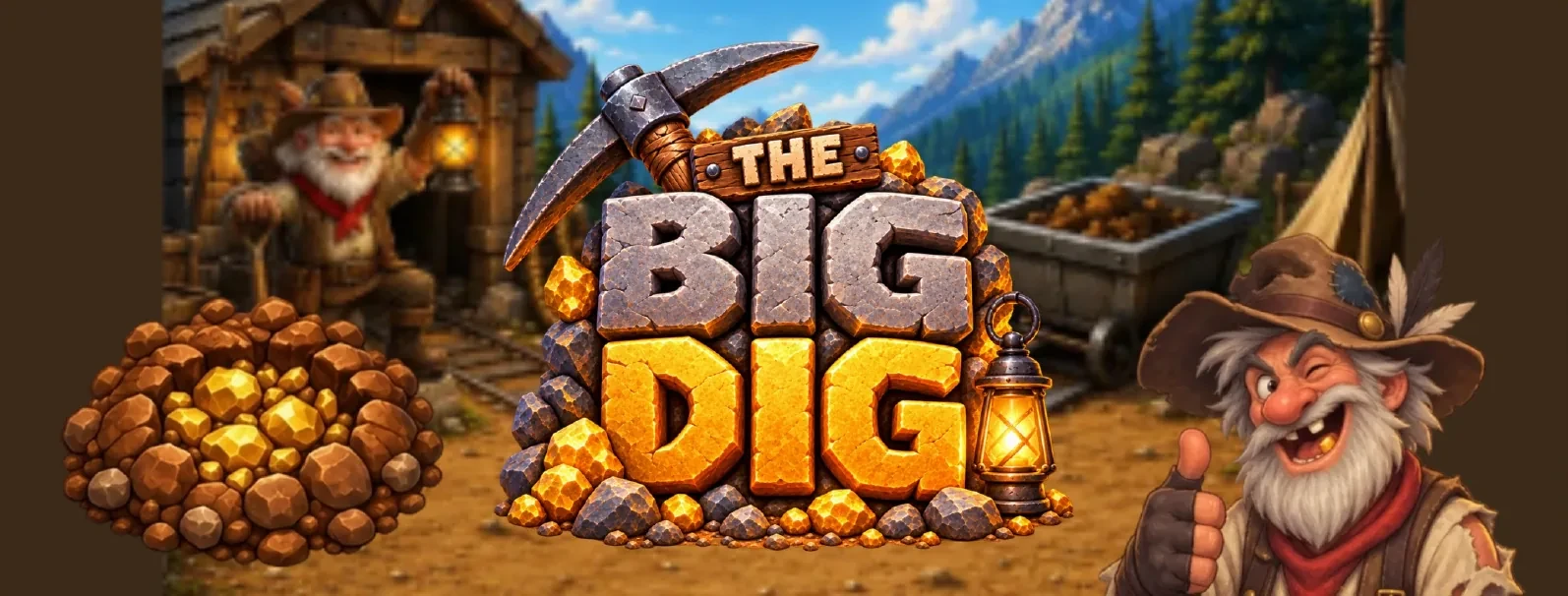
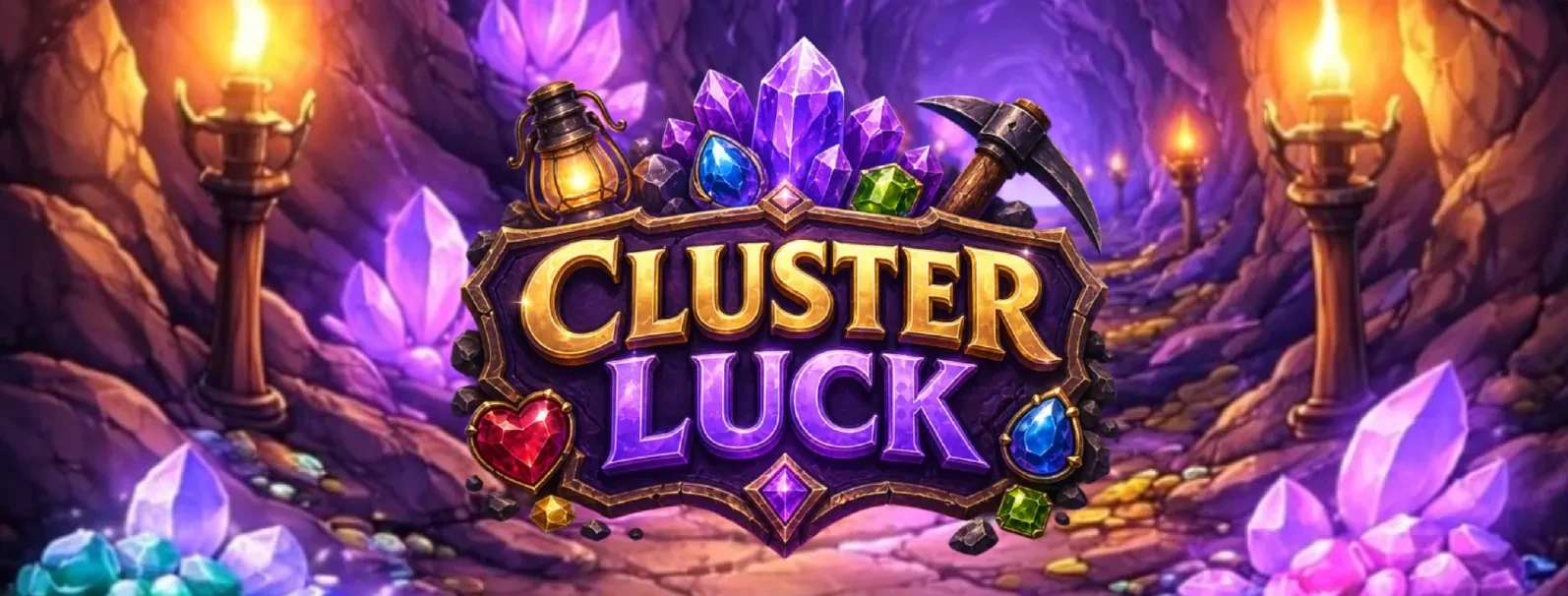
Each one uses design levers that a plain reveal does not have.
| Lever | What the player feels | Example |
|---|---|---|
| Familiar formats | Instant understanding and a bit of nostalgia | The game show guess in Higher or Lower, the party toss in Prize Pong |
| Progression | A reason to see what comes next | The map in The Big Dig, the rising score in Hook Up! |
| Bonus moments | Surprise and a sense of involvement | The Flying Fish in Hook Up!, the Cart Ride in The Big Dig |
| Collecting | Something to complete and come back to | Gem sets in Cluster Luck, the Aquarium in Hook Up! |
| Player control | Play at your own pace | Quick Reveal and press-and-hold turbo for many tickets at once |
What you see on screen is the tip of the iceberg. Every game starts as research into how players move through a site and which mechanics might work. Promising ideas get full game design: the journeys, the scenarios, the rules and every outcome. Then come high-fidelity prototypes with every screen and interaction mapped out, and only then do our engineers build the production game.
Give instant win games their own shelf
The obvious question from any operator is a fair one: why replace a draw that already sells out?
Our answer is that you should not. Real games are not a better version of a quick reveal. They serve a different customer, so they belong in a different place. Follow the lottery's lead and create a separate instant win games category on your site, below your existing draws. Keep the draws exactly as they are for the people who come for the prize, and use the new category to reach the people who come for the experience.
Then run them like a product, not a purchase
The biggest difference is not the first version of a game. It is what happens after launch. A game dropped into a lobby and left alone slowly fades. A game that is measured and improved keeps earning its place. We work in a weekly loop.
- 1MeasureHow long players spend, which levels hold them and where they drop off.
- 2TestRun two versions of a mechanic and keep the stronger one.
- 3RefreshSwap in better games and reskin for seasonal moments.
- 4PromoteSharpen thumbnails, video and placement. Then measure again.
Three questions to answer before you commit
If you run a prize competition business, the case comes down to three questions. They are worth testing with real data rather than taking on faith, including from us.
- 1Does it grow total revenue?The goal is new spend from a new kind of player, not the same spend moved around.
- 2Does it lift revenue per player for some players?Look for a group that plays more, and more often, because they enjoy the games.
- 3Does it leave your draws alone?Over the medium to long term, a separate category should add to draw revenue, not eat into it.
A few months of side-by-side data will answer all three. If the answers are yes, you have found the part of the market your competitors are not serving.
Entertainment should never be a reason for anyone to spend more than they planned. Games for this audience work best when the budget is set first and the fun happens within it, so build safer gambling tools into the category from day one.
To see every game and how it plays, browse our instant win games.
Frequently asked questions
What are instant win games?
Instant win games are games where the player finds out straight away whether they have won, rather than waiting for a draw. The simplest version is a scratch panel. The best versions are full games with progression, bonus rounds and prizes built into the play.
How are instant win games different from prize draws?
A prize draw sells a chance at a prize and the player waits for the result. An instant win game gives the result in the moment and, done well, makes the time spent playing part of the value. They suit different players, which is why we recommend running them as separate categories.
Will adding instant win games reduce our draw sales?
The aim is that they should not, because they are built for a different kind of player and sit in their own category below your draws. That is a hypothesis to test, not a promise, so compare draw revenue before and after over a few months.
How do we know if instant win games are working?
Track three things: total revenue across draws and games, revenue per player for the people who play games, and draw revenue on its own. Inside each game, look at how long people play, which levels and bonus rounds hold their attention, and where they drop off.
How long before we see results?
Expect a few months of side-by-side data before you can judge it properly. Early weeks show interest, but you need repeat play and a clear view of draw revenue to make a sound decision.
Can the games be reskinned for our site or for seasonal events?
Yes. Reskinning games for seasonal moments and swapping in stronger games when a competition ends is part of how we keep a games category fresh.
Sources
- Camelot half-year results to 24 September 2022, reported by PA via AOL: total sales £4.1bn, scratchcards and instant win games £1.7bn.
- Allwyn UK 2025 results, reported by The Grocer: National Lottery sales up 3.5% to £8.1bn.
- Allwyn UK 2025 results, summarised by Everything Edinburgh: online Instant Win Games a record £1.2bn, up 10%; Lotto and scratchcards declined.